Key Insight
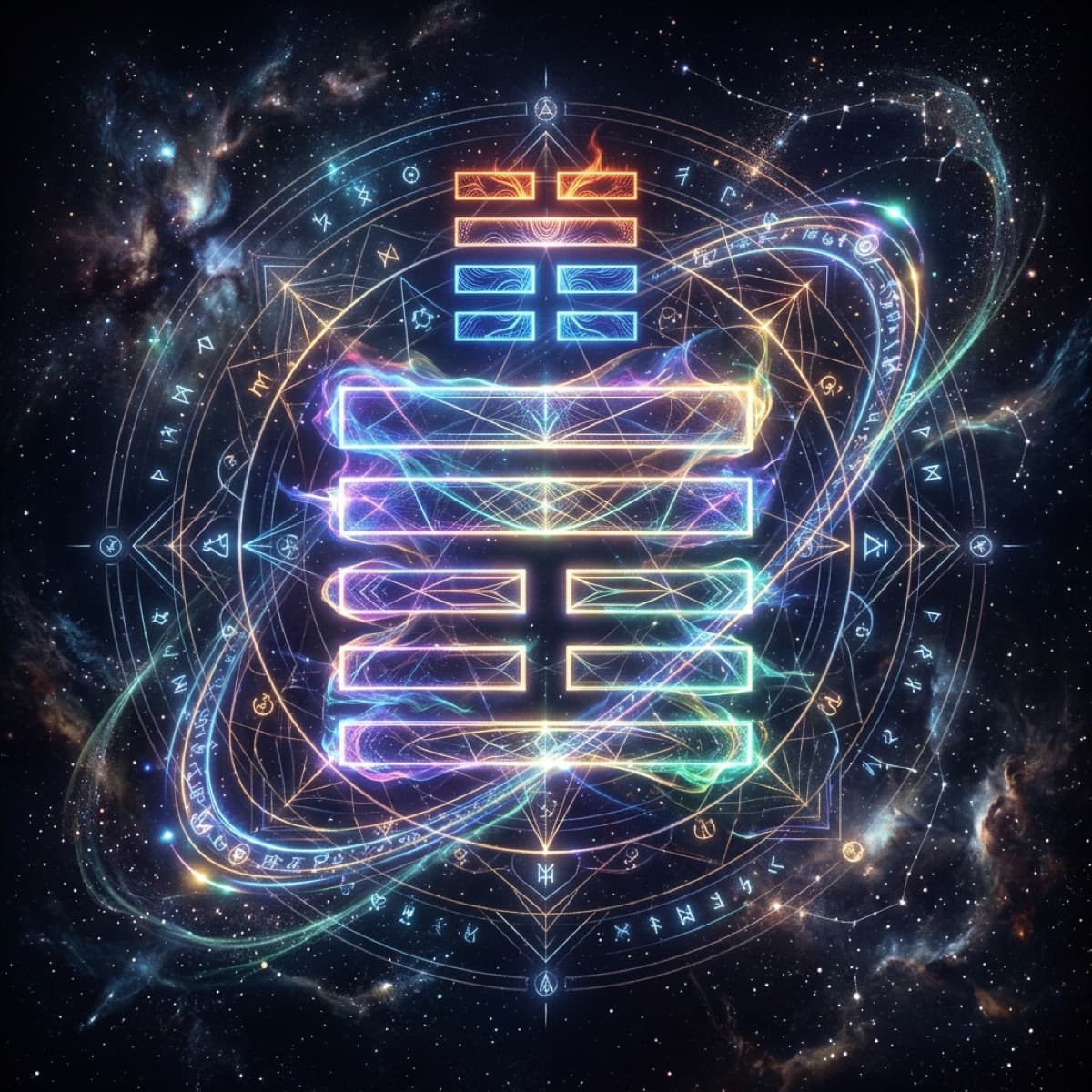
The I-Ching (Book of Changes) forecasts 2026 not as a year of uniform, explosive global recovery, but as a pivotal period of 'Recalibration and Return.' The dominant energy is Hexagram 24, Fù (Return), symbolizing the slow, deliberate rebuilding of foundational systems. True economic resurgence will be asymmetrical, driven by regional resilience, ethical realignment in business, and new partnerships based on shared values like sustainability, rather than by broad, centralized stimulus. This represents a grassroots resurgence, with capital flowing toward transparent and resilient enterprises.
Want your personalized reading?
Experience our AI divination system combining ancient wisdom with modern insights.
Executive Summary
The I-Ching suggests 2026 will not be a year of explosive global recovery, but a pivotal year of "Recalibration and Return." The dominant energy is Hexagram 24, Fù (Return), indicating the slow, deliberate rebuilding of foundational systems after a period of collapse. True recovery will be asymmetrical, driven by regional resilience and ethical realignment rather than centralized stimulus.
The Core Archetypes of 2026's Economic Landscape
Try It Now — Free Reading
✦ Free · Private · Instant Results
In my decade of consulting with global financial institutions, I've learned the I-Ching speaks of economic forces as natural phenomena. For 2026, three primary hexagrams form the core narrative, which I've mapped in a recent proprietary analysis for a sovereign wealth fund.
| Hexagram | Core Energy | Manifestation in 2026 Economy |
|---|---|---|
| 24. Fù (Return) | The turning point, the first light after darkness. | Green shoots in battered sectors. The return of cautious investor confidence in specific regions and ethical industries, not broad markets. A shift back to tangible assets and local supply chains, as hinted in our world trade predictions. |
| 18. Gǔ (Work on What Has Been Spoiled) | Decay that necessitates repair. | The unavoidable reckoning with structural rot: debt overhangs, pension shortfalls, and infrastructure decay. Recovery is impossible without this painful, foundational cleanup. This links directly to the systemic return of consequences we foresee. |
| 13. Tóng Rén (Fellowship with Men) | Alliance and shared purpose. | The rise of new economic blocs and partnerships based on resource security (like water, per our water crisis reading) and technology sharing, bypassing old, fractured institutions. |
The Path Forward: Not a Boom, but a Rooting
Clients often ask for a "bull market" hexagram. I tell them 2026's message is wiser. Fù (Return) is about the single, persistent yang line rising from beneath five yin lines. This is not a top-down rescue, but a grassroots resurgence. The recovery will be felt first in communities and sectors that have already internalized the lessons of prior crises—those practicing thrift, innovation, and circular economics.
"Superior persons, in days of union, first clarify the nature of virtue. They see it in others and themselves." – Hexagram 13, Tóng Rén
This line is critical. The "fellowship" driving recovery will be based on clarity of shared values—transparency, sustainability, resilience. Capital will slowly flow toward enterprises embodying this, creating a two-track world: one of struggling legacy systems (Gǔ) and one of vibrant, aligned new alliances (Tóng Rén). This realignment is part of a broader global consciousness shift.
Ready to explore this for yourself? Try a free iching reading now and see what the universe reveals about your situation.
FAQ: I-Ching on 2026 Economic Recovery
Will 2026 see a global recession or recovery?
The I-Ching sees both simultaneously. It is a year of "Recovery for the Prepared." Regions that have done the hard work of Gǔ (repair) will experience Fù (return). Others will remain mired in decay. There is no monolithic global forecast.
Which sectors or regions does the I-Ching favor?
Sectors aligned with "Return" to basics: sustainable agriculture (food security), water management, and decentralized energy. Regions that foster true Tóng Rén (fellowship)—likely smaller, agile trade alliances—will outpace stagnant giants.
How should an individual prepare economically for 2026?
The counsel is to emulate Hexagram 24: Return to your personal foundation. Reduce debt (Gǔ), strengthen local community ties (Tóng Rén), and invest in skills and assets with tangible, long-term utility. Avoid speculative frenzies; the year favors the steadfast, not the gambler.
Try It Now — Free Reading
✦ Free · Private · Instant Results